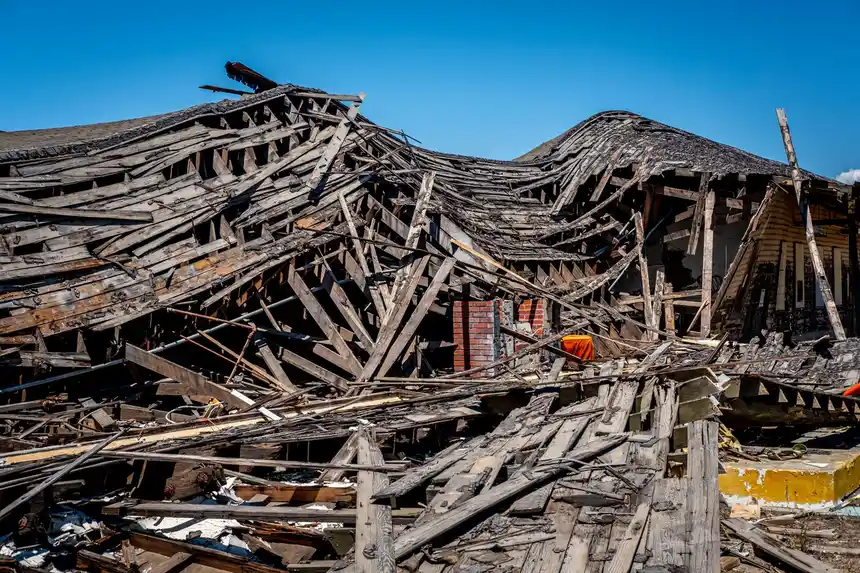
Storm Damage Restoration
Storm Damage Restoration Marana AZ That Gets You Dry and Fixed
When a monsoon dumps two inches of rain in an hour or 60 mph winds peel back your shingles, storm damage restoration Marana AZ homeowners trust starts with a crew that answers the phone. We handle monsoon damage restoration Marana AZ, board-up, water extraction, structural drying and full repairs under one roof. Whether it's your home near Gladden Farms or a commercial building off I-10, we document everything, work with your insurance and get your property back to pre-storm condition.
Service overview
What Storm Damage Restoration Marana AZ Actually Involves
Storm damage restoration Marana AZ is the process of securing a storm-damaged property, removing water and debris, drying structural materials to verified moisture levels, and repairing everything the storm wrecked. It's not just shop-vaccing a wet carpet. We use moisture meters and a thermal imaging camera to find hidden saturation inside walls and ceilings, then dry with Dri-Eaz air movers and dehumidifiers until readings match dry-standard baselines. Only after the structure is dry do we rebuild drywall, insulation, baseboards and roofing.
Marana sits in Pima County where the summer monsoon can drop a month of rain in a single afternoon, and winter storms push cold fronts that drive water through roof penetrations and window seals. We see it all: roof leaks in Dove Mountain, monsoon flooding that backs up into garages in Continental Ranch, and wind damage repair Marana AZ calls after microbursts snap fence posts and lift patio covers. If you're searching for storm damage restoration near me Marana AZ at 11 p.m. while water is pooling in your hallway, that's exactly the call we take.

Practical benefits
Why Marana Homeowners Call Us After a Storm
Storm damage gets worse by the hour. Water wicks into drywall, mold starts within 24 to 48 hours, and a tarped roof can fail in the next wind gust. Here's what you get when you call us instead of waiting it out.
Rapid Response, Day or Night
We run 24/7 storm damage restoration Marana AZ dispatch, so a call at 2 a.m. after a monsoon gets a crew rolling, not a voicemail. Most Marana addresses see a technician within 60 to 90 minutes. We tarp, board up and start extraction the same visit, which is what stops a $3,000 water loss from becoming a $20,000 rebuild.
Insurance Documentation Done Right
We photograph every affected room, log moisture readings, and build an Xactimate scope your adjuster can process without back-and-forth. That means fewer denied line items and faster claim checks. We've walked hundreds of Pima County claims, so we know what adjusters want to see before they approve storm damage repair in Marana AZ.
One Crew From Tarp to Trim
Extraction, structural drying, mold remediation, drywall, roofing and paint all happen under one license. You don't babysit three subcontractors or chase down who's supposed to reinstall the baseboards. One project manager owns your job from the first moisture reading to the final walkthrough, and you get a written warranty on the work.
Drying Verified, Not Guessed
We don't pull equipment because the floor 'feels dry.' Every job ends with moisture meter and thermal imaging documentation showing materials back at baseline. If readings aren't there, the equipment stays. That's how we keep mold from growing behind your walls three weeks after the storm and how we back our work if anything is missed.
How service works
Our Storm Damage Restoration Process
Every storm job follows the same five stages, whether it's a small roof leak in Marana or a full monsoon flood. Here's exactly what happens from the moment you call to the day we hand back your keys.
STEP 01
Emergency Call and Dispatch
You call, we ask a few quick questions about the damage, and we dispatch the closest crew. Most Marana addresses see a technician in 60 to 90 minutes, 24/7. We arrive with tarps, board-up materials and extraction equipment, so the first visit already stops the bleeding instead of just assessing it.
Tools and methods
Tools and Methods We Use on Every Storm Job
Moisture Meter
Pin and pinless meters measure moisture content in drywall, subflooring and framing. We log readings daily to confirm drying progress and to document the loss for your insurance claim.
Thermal Imaging Camera
Infrared cameras reveal hidden water behind walls and ceilings that a moisture meter alone would miss. Essential for tracing roof leaks and HVAC condensate paths.
Dri-Eaz Air Movers and Dehumidifiers
High-velocity air movers evaporate moisture from wet surfaces while refrigerant or desiccant dehumidifiers pull it out of the air. The core of every structural drying setup.
Extraction Wand and Sump Pump
Truck-mounted extraction wands pull standing water from carpet and hard surfaces fast. Sump pumps handle deeper water in garages, crawlspaces and commercial spaces.
HEPA Vacuum
Captures fine debris, mold spores and dust during cleanup and after demolition. Required for any job involving mold or Category 3 water contamination.
Ozone Generator
Neutralizes smoke and musty odors after storm damage, fire damage or long-standing water. Used only in unoccupied spaces with proper safety protocols.
Infrared Thermometer
Spot-checks surface temperatures to identify cold spots that indicate hidden moisture or air leaks. Pairs with the thermal camera for a full picture.
IICRC S500 Standard
The industry standard for water damage restoration. It defines water categories, drying goals and documentation requirements. Every job we run follows S500 protocols, which is what your insurance adjuster expects to see.
Xactimate Scoping
The estimating platform most carriers use. We build line-item scopes in Xactimate so your adjuster can process the claim without translation. Fewer delays, fewer denied items, faster payout.
Containment and Negative Air
For mold or Category 3 jobs, we seal the work area with polyethylene sheeting and run HEPA-filtered negative air machines. That keeps contaminants from spreading to clean rooms during demolition and drying.
Antimicrobial Treatment
We apply antimicrobial solution to wet framing, subflooring and wall cavities to slow microbial growth during the dry-down. Contaminated water gets Benefect and Fiberlock products with full PPE.
Daily Moisture Monitoring
Drying isn't done until the meter says so. We log readings every day, adjust equipment placement, and only call the job dry when materials hit baseline. That documentation is your proof the job was done right.
Where this service fits
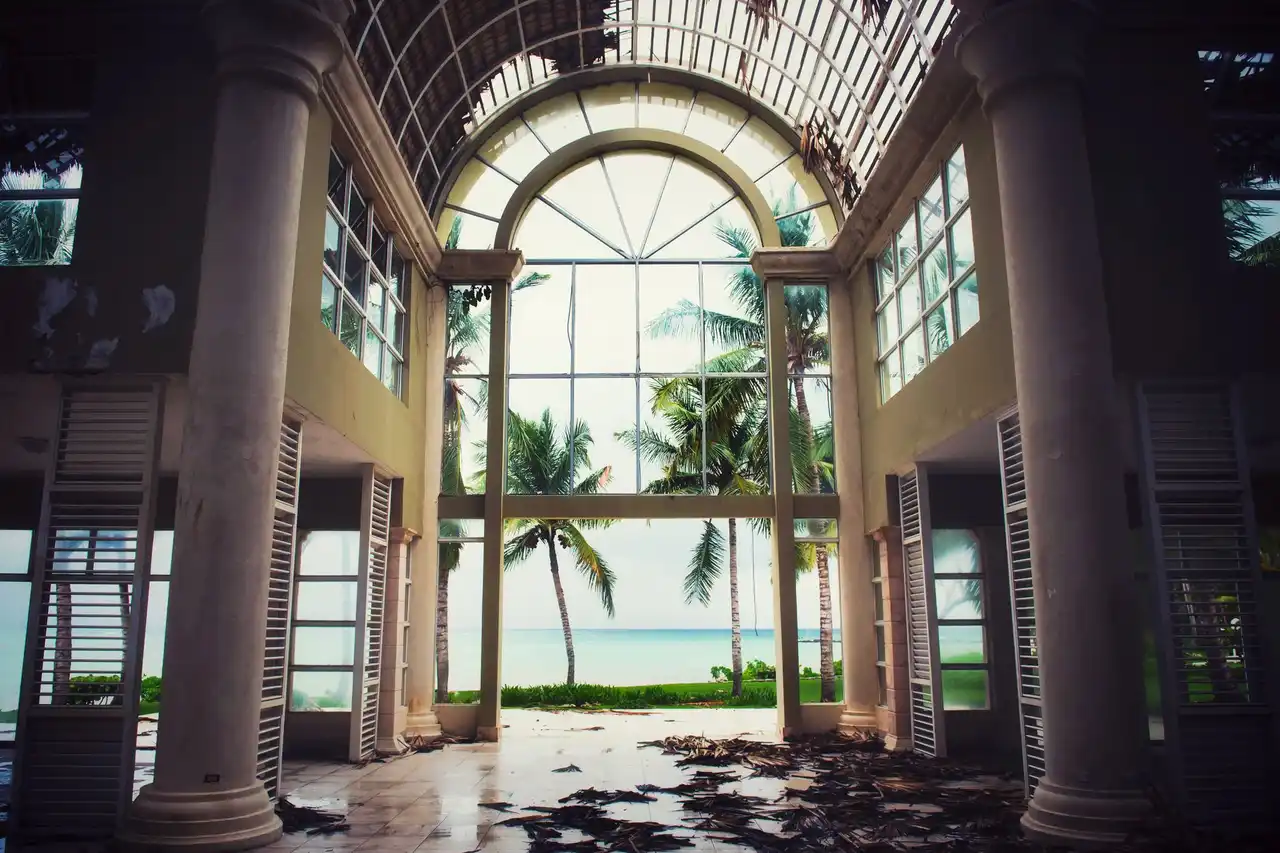
When to Call for Storm Damage Restoration
A monsoon cell drops two inches in an hour and water backs up through your patio door into the living room.
We dispatch a crew within 60 to 90 minutes, extract standing water with truck-mounted wands, set up Dri-Eaz air movers and dehumidifiers, and document everything for your insurance claim. Antimicrobial treatment goes down the same visit. Most living-room losses like this are dry in three to four days, and rebuild (carpet, baseboards, paint) is typically done within two weeks.
High winds peel shingles off your roof overnight and water is dripping through the ceiling into a bedroom.
We tarp the damaged roof section the same night, then use thermal imaging to trace the water path inside the attic. Wet insulation and drywall come out, drying equipment goes in, and we repair the roof and interior once materials hit dry standard. Roof tarped within hours, interior dry in three to five days, full repair usually complete in two to three weeks depending on material lead times.
A microburst snaps a tree that lands on your fence and punches a hole in your garage wall during a storm.
We board up the opening the same visit, remove storm debris, extract any water that entered, and dry the affected wall cavity. Then we rebuild the wall, match the stucco and paint, and coordinate tree removal if needed. Structure secured the same night, water damage dried in three to four days, and full structural repair typically finished in two weeks.
You come home after a storm and find water stains spreading across your ceiling but no obvious leak.
We use moisture meters and a thermal imaging camera to trace the source, which is often a roof penetration or HVAC condensate leak. We document the readings, extract and dry, then repair the source and the interior damage. Source identified the same visit, drying complete in three to five days, and ceiling repair finished within a week after that.
Local execution
How Storm Damage Restoration Runs in Marana
Marana's monsoon season runs roughly June through September, and a single afternoon can drop more rain than the area sees in three normal months. The soil here is caliche-heavy, which means water doesn't soak in fast; it pools against foundations, overwhelms drainage swales, and finds every crack in a slab. Winter storms bring a different problem: cold fronts from the northwest drive wind-driven rain into roof penetrations and window seals that held up fine all summer. Building stock varies widely. Dove Mountain homes tend to have tile roofs and stucco walls that hide leaks until they show up as ceiling stains. Continental Ranch and Gladden Farms have more slab-on-grade construction where foundation seepage and HVAC condensate leaks are common. Older homes near the 85653 ZIP often have original plumbing and less drainage grading, which makes them more vulnerable to appliance supply line failure and slab leaks after a big storm. We scope every job with these local realities in mind, and we pull Arizona ROC-licensed trades for anything that touches structural, electrical or plumbing systems. If you need monsoon storm damage cleanup Marana AZ or same-day storm damage repair Marana AZ, we're already in the neighborhood.
Dove Mountain
Tile roofs and stucco walls hide wind-driven rain leaks until ceiling stains appear. We use thermal imaging to trace water paths before pulling drywall.
Continental Ranch
Slab-on-grade construction makes foundation seepage and HVAC condensate leaks common after monsoon storms. We check the slab edge and HVAC closet on every call.
Gladden Farms
Newer homes with tight building envelopes can trap moisture inside wall cavities. We dry with desiccant equipment when outdoor humidity is high.
Avra Valley
Rural properties often have private wells and septic systems that storm water can overwhelm. We treat sewage backups as Category 3 from the first minute.
Marana Main Street Area
Older commercial and residential buildings near downtown Marana have original plumbing and drainage. Storm-related slab leaks and supply line failures are common.
Caliche-heavy soil that resists water absorption
Monsoon rain pools against foundations and overwhelms drainage swales, driving foundation seepage and slab leaks. We grade, seal and dry accordingly.
Microburst winds during monsoon season
Winds over 60 mph lift shingles, snap fence posts and topple trees onto structures. We tarp and board up the same night to prevent secondary water damage.
Winter cold fronts with wind-driven rain
Rain pushes through roof penetrations and window seals that held all summer. We inspect attic and wall cavities, not just the visible damage.
High summer humidity during monsoon
Outdoor humidity slows structural drying. We use desiccant dehumidifiers when refrigerant units can't keep up, which adds a day or two to dry-down.
Problems we solve
Storm Problems We Solve for Marana Homeowners
Monsoon season in Pima County creates a specific set of problems that most out-of-town crews don't understand. Here are the ones we see most often and how we handle them.
Monsoon water pooling against the foundation
We extract standing water, pull saturated baseboards and drywall, run desiccant and refrigerant dehumidifiers until subflooring hits dry standard, then seal foundation penetrations and grade the drainage away from the slab. Documentation goes straight to your carrier. Water wicks through foundation seepage points and saturates subflooring and baseboards, often hidden until mold appears weeks later. Repair costs climb fast once structural materials are involved.
Wind-driven rain through roof penetrations
We tarp the roof the same night, then use thermal imaging to trace the water path inside the attic and ceiling cavity. Wet insulation comes out, drying equipment goes in, and we repair the roof penetration and interior drywall once everything is dry. Water enters around vents, chimneys and skylights, then travels along ceiling joists before dripping into rooms far from the actual leak. Homeowners often can't find the source, so damage spreads.
HVAC condensate and appliance supply line failures after storms
We locate the source with moisture meters and infrared thermometers, shut off the supply, extract and dry the affected area, then coordinate the plumbing or HVAC repair. We treat it as a Category 1 loss unless contamination is present. Power surges and pressure changes during storms can trigger HVAC condensate leaks or appliance supply line failures. These slow leaks soak cabinets, subflooring and walls while nobody's watching.
Sewage backup after heavy rain
We treat it as a biohazard from the first minute: full PPE, containment with polyethylene sheeting, extraction, removal of contaminated materials, and disinfection with Benefect and Fiberlock products. We verify clearance before any rebuild begins. Storm water overwhelms municipal lines and septic systems, pushing sewage back into the lowest drains. That's a Category 3 biohazard, and DIY cleanup risks serious illness and long-term contamination.
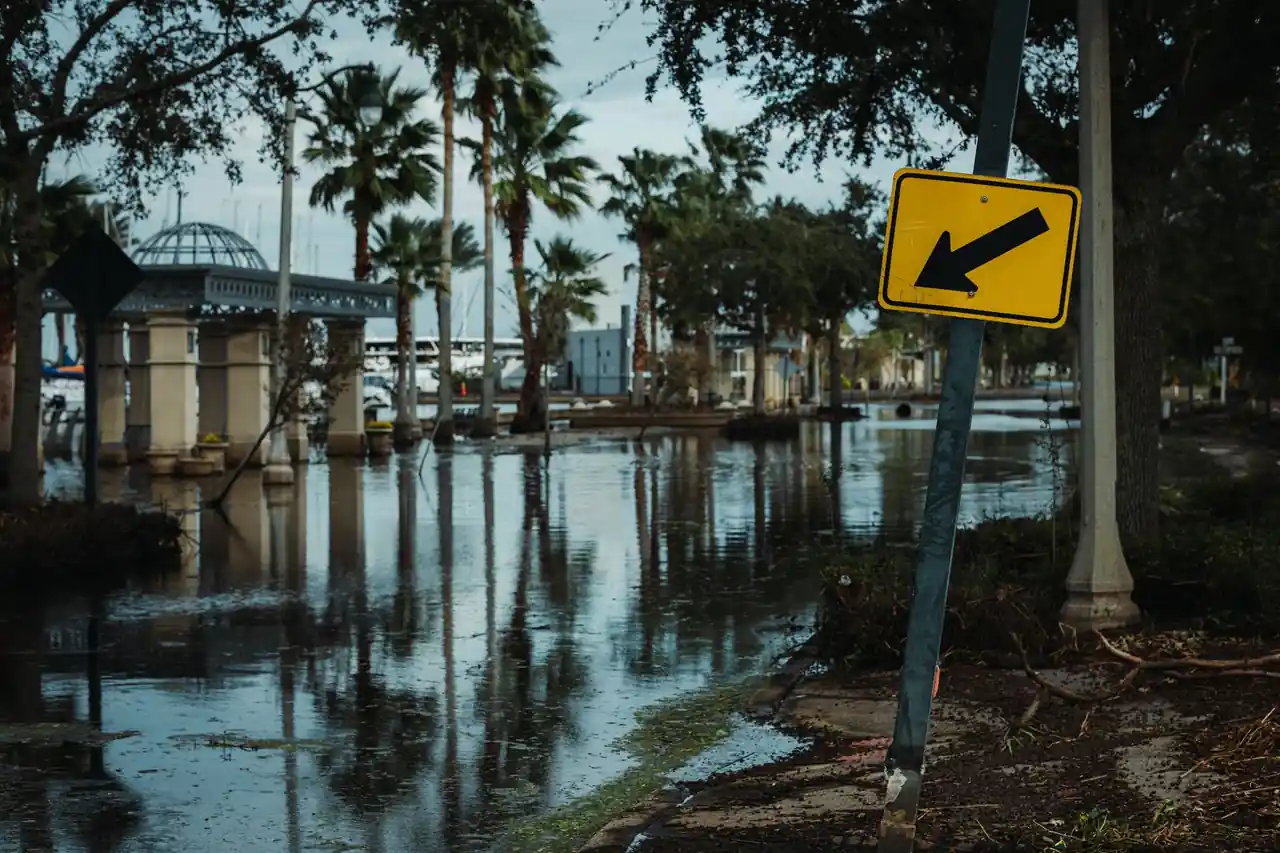
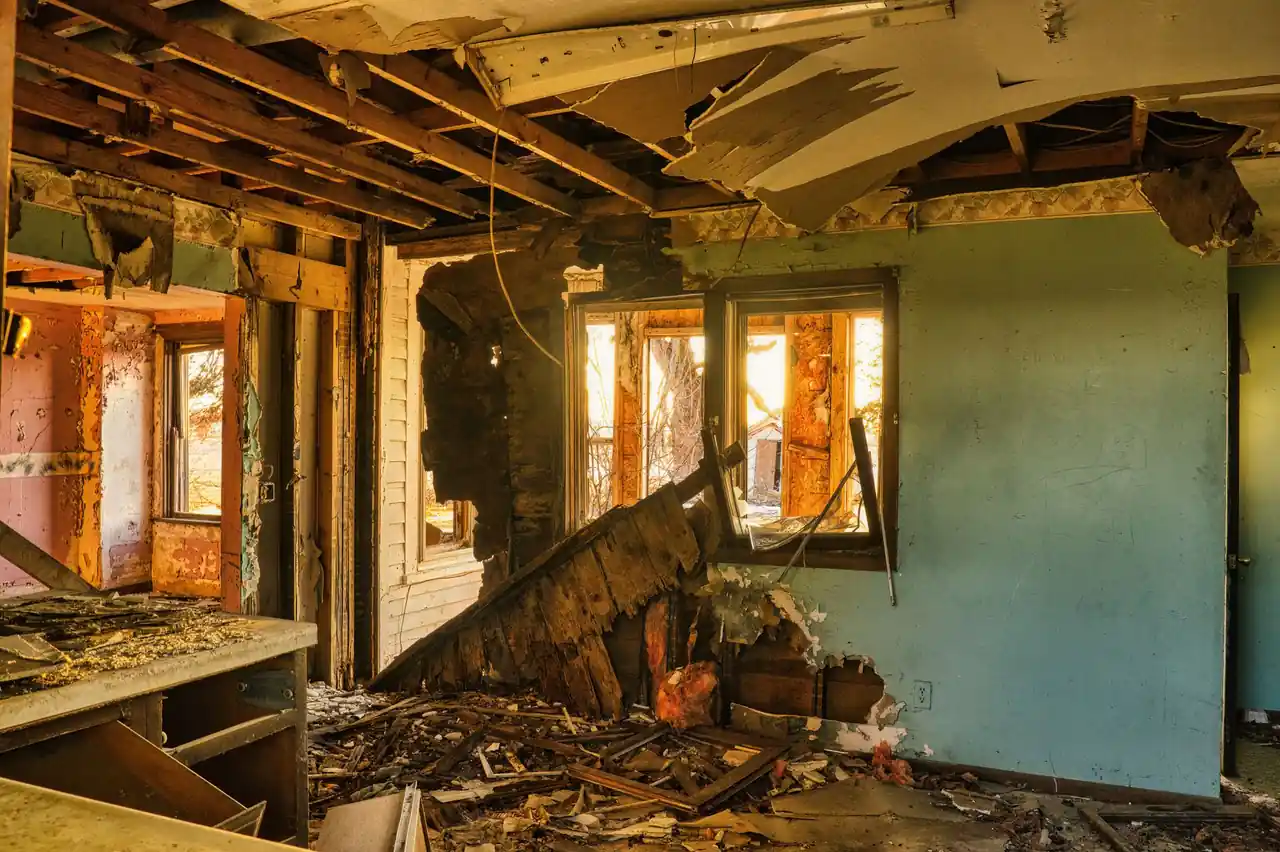
A practical standard for every visit.
Clear planningPrepared arrivalsCareful workLocal follow-through
Experience in the details
Local Crew, Storm-Trained Technicians
Our technicians hold IICRC WRT (Water Restoration Technician) and IICRC ASD (Applied Structural Drying) certifications, and several carry IICRC AMRT for mold work. We're an Arizona ROC licensed contractor, EPA Lead-Safe certified, and OSHA 10 trained for job-site safety. That matters when we're pulling saturated drywall in a 1980s Marana home that might have lead paint, or running a desiccant drying setup in a commercial space. We've worked monsoon season after monsoon season in Pima County, so we know how Dove Mountain roof leaks behave differently from Continental Ranch slab issues, and we scope every job with that local knowledge baked in.
Where we work
One local team. A lot of ground covered.
OracleMammothSan ManuelCasa GrandeArizona CityEloyCoolidgeFlorencePicachoRed RockMaricopaQueen Creek
Check my address Typical 2026 pricing in Marana runs $1,200 to $4,500 for a standard residential storm loss, and $6,000 to $25,000+ for major monsoon flooding or structural damage. Cost depends on water category, square footage affected, materials saturated, and whether rebuild is needed. We give you a written estimate before work starts, and we bill your insurance directly for covered items.
We do. Marana Restoration Experts handles monsoon damage restoration Marana AZ from emergency tarp and extraction through full rebuild, all under one Arizona ROC license. We're based locally, we're IICRC certified, and we've worked Pima County monsoon seasons long enough to know how local soil, roof styles and drainage behave. One call covers the whole job.
Most homeowner policies cover sudden storm damage like wind, hail, monsoon flooding from the sky, and fallen-tree impact. Flooding from rising ground water usually needs a separate flood policy. We document with Xactimate, work directly with your adjuster, and tell you upfront what's likely covered and what isn't, so there are no surprises.
Emergency mitigation starts the same day, usually within 60 to 90 minutes of your call. Structural drying runs three to five days for a standard room. Full restoration, including drywall, paint and roofing, typically finishes in two to four weeks depending on scope and material lead times. We give you a written timeline after the assessment.
Keep exploring
Related Services
Your next step is waiting
Need Storm Damage Restoration Marana AZ Right Now?
We answer 24/7, dispatch locally, and start mitigation the same visit. Licensed, insured, IICRC certified, and we bill your insurance directly. Call now and we'll have a crew at your Marana property within 60 to 90 minutes.
Start with the basics
Contact Marana Restoration Experts
Call us any time, day or night. We answer live, ask a few questions about your water loss, and dispatch a crew right away. Most Marana addresses see us within 60 to 90 minutes. If you prefer email, send photos and a description and we'll follow up fast.